-
 play_arrow
JetSetFM We Make You Move
-
 play_arrow
The Electric Sky Mixx Part 1 Jena Red
-
 play_arrow
Dance Baby, Dance!! supa DJ Peter Parker
-
 play_arrow
JetSetFM ThrowBack Mix 280 - supa DJ Peter Parker supa DJ Peter Parker



Old School Hip Hop to Modern Beats: How Hip Hop Shaped Radio Culture
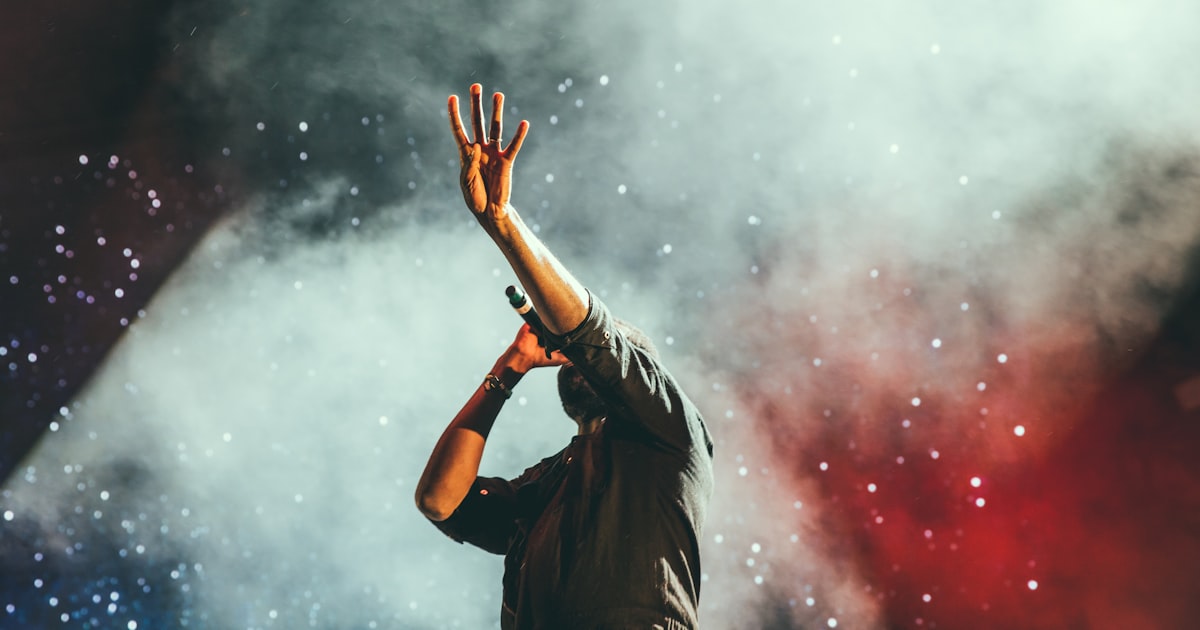
Hip hop and radio grew up together. From the early days of block parties in the Bronx to today’s global streaming landscape, hip hop has always been a radio-first culture. At JetSetFM, hip hop isn’t just a genre we play — it’s foundational to our identity as a rhythmic radio station.
The Birth: DJs, Block Parties, and the Breakbeat
In the mid-1970s, a Jamaican immigrant named DJ Kool Herc began hosting parties in the Bronx recreation room. His innovation was simple but revolutionary: he extended the instrumental “break” sections of funk and disco records, giving dancers more time to move. This technique — the breakbeat — became the foundation of hip hop.
Other pioneers followed. Grandmaster Flash developed cutting and mixing techniques. Afrika Bambaataa created the Universal Zulu Nation, bringing cultural consciousness to the movement. By the late 1970s, hip hop was spreading through New York City via a uniquely powerful medium: mixtapes and underground radio.
The Golden Age: 1986–1996
When Run-DMC’s “Walk This Way” crossed over to MTV in 1986, everything changed. The “Golden Age of Hip Hop” produced some of the most innovative music in any genre:
- 1987 — Public Enemy’s It Takes a Nation of Millions brings political consciousness
- 1988 — N.W.A.’s Straight Outta Compton births West Coast gangsta rap
- 1991 — A Tribe Called Quest’s The Low End Theory fuses jazz and hip hop
- 1993 — Wu-Tang Clan’s Enter the Wu-Tang reinvents the group dynamic
- 1994 — Nas’s Illmatic and Notorious B.I.G.’s Ready to Die set new lyrical standards
During this era, radio was hip hop’s primary distribution channel. Shows like Mr. Magic’s “Rap Attack” on WBLS and Stretch Armstrong’s underground show on WKCR introduced New York to the latest records. Mix show DJs became tastemakers whose cosign could make or break an artist’s career.
The Radio DJ: Hip Hop’s Original Influencer
In hip hop culture, the DJ has always been more than someone who plays records. The DJ is a curator, historian, and community leader. This tradition carries directly into what JetSetFM does today.
Our DJ roster — the JetSet Pilots — represents decades of turntablism and music culture. From old-school vinyl mixing to modern digital techniques, they bring the same energy and expertise that made hip hop radio legendary. When you hear a JetSetFM set, you’re hearing the direct lineage of that Bronx block party tradition.
How Hip Hop Connects to Every Genre on JetSetFM
Hip hop’s influence extends far beyond its own genre boundaries:
- R&B — New jack swing and modern R&B were shaped by hip hop production
- Pop/Freestyle — ’80s and ’90s pop drew heavily from hip hop’s rhythmic sensibility
- House/EDM — Hip hop’s sampling culture directly influenced dance music production
- Turntablism — The art of DJing as performance originated in hip hop
This interconnectedness is why JetSetFM programs an open-format rhythmic sound. The genres don’t exist in silos — they’re part of a continuous musical conversation that spans five decades.
The Future of Hip Hop Radio
Internet radio has given hip hop a new home — one free from corporate playlist mandates and algorithm-driven sameness. Stations like JetSetFM can play the full spectrum of hip hop, from obscure golden-age B-sides to today’s most compelling tracks, without being forced into a narrow format box.
That freedom is what makes the difference between a station you listen to and a station you live on. Tune in to JetSetFM and hear hip hop the way it was meant to be experienced — curated by DJs who live and breathe the culture, 24/7.
Explore JetSetFM: Learn more about JetSetFM or visit the JetSetFM FAQ for listening, music, artist, and advertising questions.



 The Vox
- Why Trump’s Latino voters are fleeing him September 19, 2026In 2024, Donald Trump’s victory was powered in large part by massive gains with Latino voters. He won 48 percent of those voters that year, up from 36 percent in 2020 and 28 percent in 2016. But now, that support is plummeting; Trump’s approval rating among Latinos who voted for him recently fell from 93 […]Katie Fossett
- The AI threat keeping scientists up at night September 19, 2026AI will be the death of me. And you. And everyone we know. At least, this is what a growing number of technologists and policymakers fear. Last week, a lead researcher at Anthropic declared that there was a greater than 10 percent chance of AI “killing all humans” within the next decade. This nerve-racking forecast, […]Eric Levitz
- Trump’s new press ban September 18, 2026This story appeared in The Logoff, a daily newsletter that helps you stay informed about the Trump administration without letting political news take over your life. Subscribe here. Welcome to The Logoff: Donald Trump is escalating his fight with the media. What happened? Trump announced he was banning three media organizations — CNN, MS NOW, and Politico […]Cameron Peters
- Your questions about the AI apocalypse, answered September 18, 2026This story appeared in Today, Explained, a daily newsletter that helps you understand the most compelling news and stories of the day. Subscribe here. Hi readers, happy Friday! We’re talking AI again today. Earlier this week, my colleague Caitlin Dewey asked for your questions about artificial intelligence and, well, whether it’s going to kill us all. We asked […]Cameron Peters
- Why Trump’s Latino voters are fleeing him September 19, 2026
NOW ON AIR
LATEST NEWS